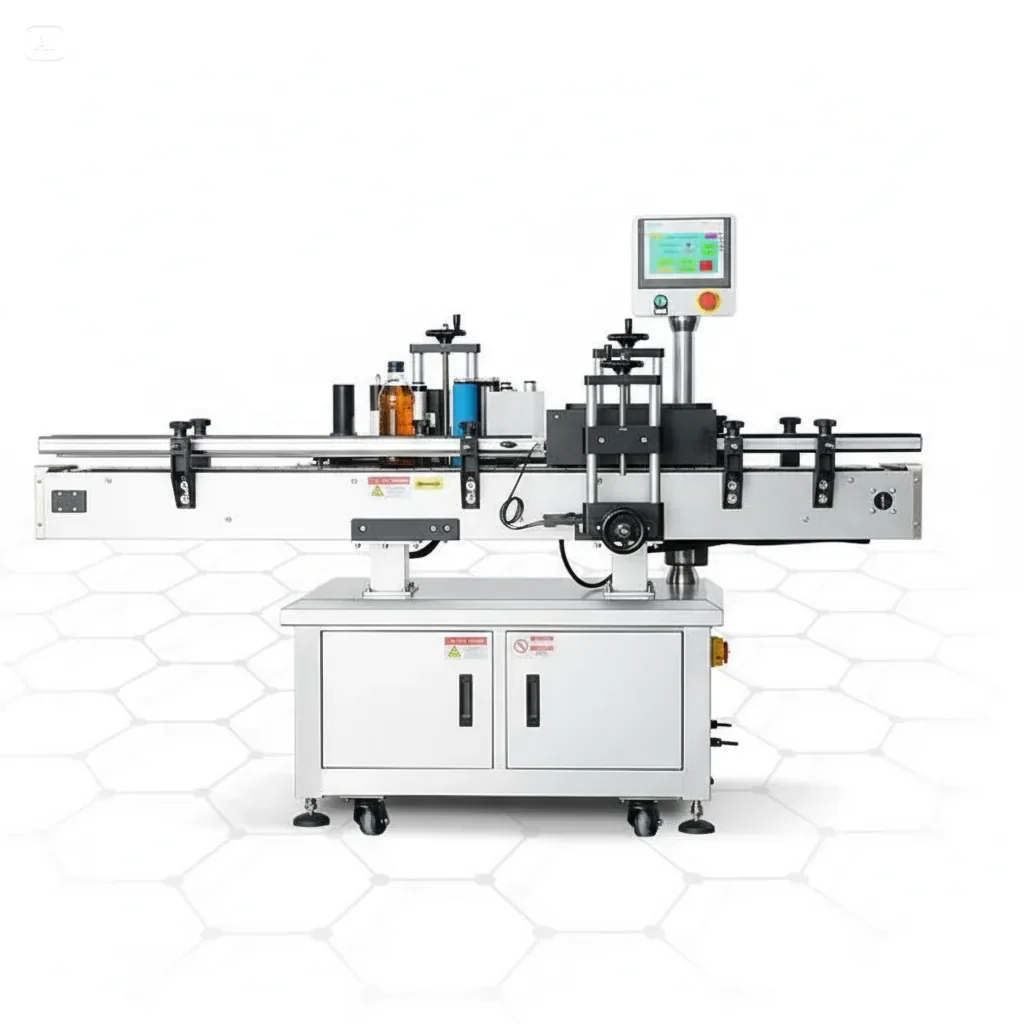
Round bottles, jars and cans
Automatic Wraparound Labeller
Machine route for bottle labelling projects where samples, label rolls and output targets confirm the final configuration.
View machine
Support hub
Installation and sample testing help avoid specification problems before the labeller reaches production.
Installation and sample testing help avoid specification problems before the labeller reaches production.
The correct route is normally decided by bottle shape, label position, label roll details, target output and the way the machine will connect with filling, capping, coding or conveyor equipment.
For a more accurate recommendation, send photos or samples of the container together with label dimensions, roll direction, material, backing paper and the number of labels needed per product.
Machine options
Lancing can advise whether a bench-top, compact automatic or inline labelling route is the best fit for your bottles and labels.
Round bottles, jars and cans
Machine route for bottle labelling projects where samples, label rolls and output targets confirm the final configuration.
View machine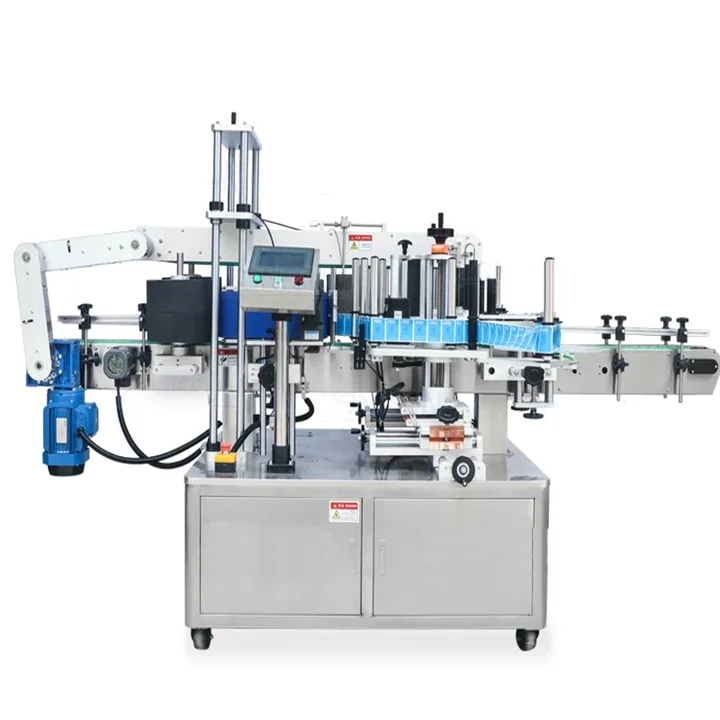
Flat, oval and square bottles
Machine route for bottle labelling projects where samples, label rolls and output targets confirm the final configuration.
View machine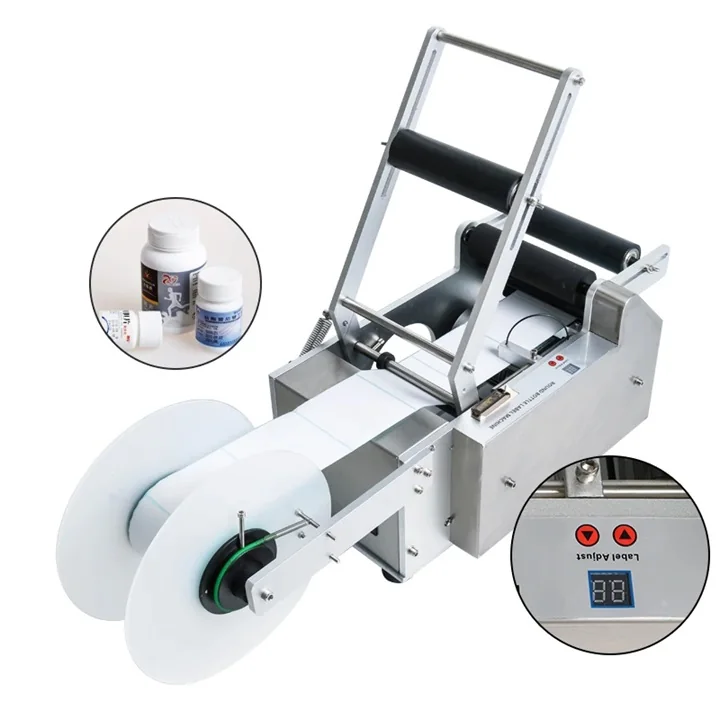
Small batches and trials
Machine route for bottle labelling projects where samples, label rolls and output targets confirm the final configuration.
View machineBuyer questions
Bottle shape, label roll quality and label sensing can all affect performance, so representative samples reduce risk.
Yes. Floor space, line height, conveyors and operator access can affect the final configuration.
Related searches
Send samples
Share bottle dimensions, label artwork or label roll details, output target and photos of the container. Lancing will recommend the right labelling route.
Support is faster when format settings, label-roll data, approved samples, fault history, maintenance records and authorised changes are retained against the machine and current line layout.
The compliance and documentation guide explains the evidence chain, while the troubleshooting guide helps capture a useful fault record.
Include machine reference, format, label roll, recent changes, photos, video and the approved result.
Provide the machine identification, affected bottle format, label construction reference and a description of when the fault first appeared. Retain representative rejected packs and the reel identity; gather images or video only where this is safe under the site’s procedures.
Format settings, label-roll specifications, approved samples, training records and fault history make changeovers and support discussions more precise.
Use the changeover checklist and keep each approved roll and sample linked to the format.
Use the troubleshooting guide to record symptoms, conditions and controlled checks.
Use the training handover guide to define roles and escalation boundaries.