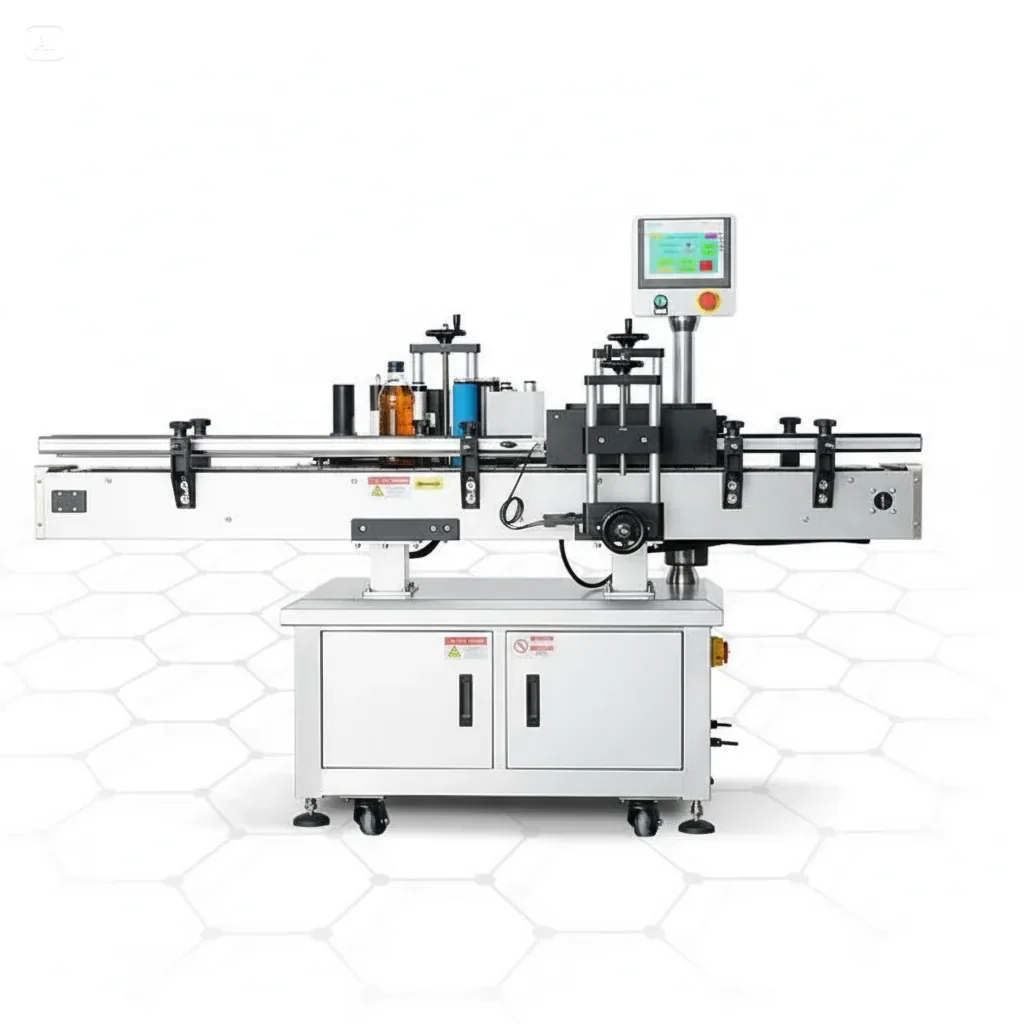
Round bottles, jars and cans
Automatic Wraparound Labeller
Machine route for bottle labelling projects where samples, label rolls and output targets confirm the final configuration.
View machine
Quote checklist
A complete quote request helps avoid delays and makes it easier to recommend the correct bottle labelling route.
A complete quote request helps avoid delays and makes it easier to recommend the correct bottle labelling route.
The correct route is normally decided by bottle shape, label position, label roll details, target output and the way the machine will connect with filling, capping, coding or conveyor equipment.
For a more accurate recommendation, send photos or samples of the container together with label dimensions, roll direction, material, backing paper and the number of labels needed per product.
Machine options
Lancing can advise whether a bench-top, compact automatic or inline labelling route is the best fit for your bottles and labels.
Round bottles, jars and cans
Machine route for bottle labelling projects where samples, label rolls and output targets confirm the final configuration.
View machine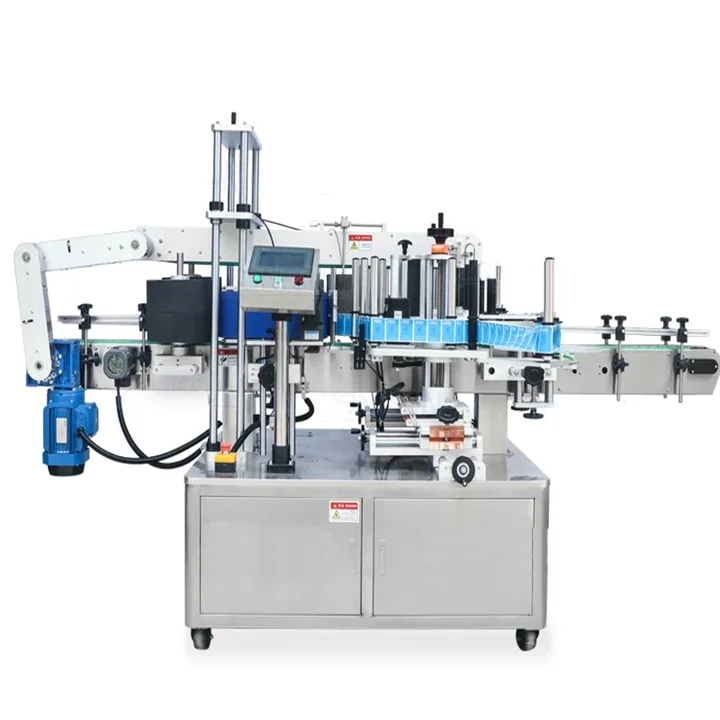
Flat, oval and square bottles
Machine route for bottle labelling projects where samples, label rolls and output targets confirm the final configuration.
View machine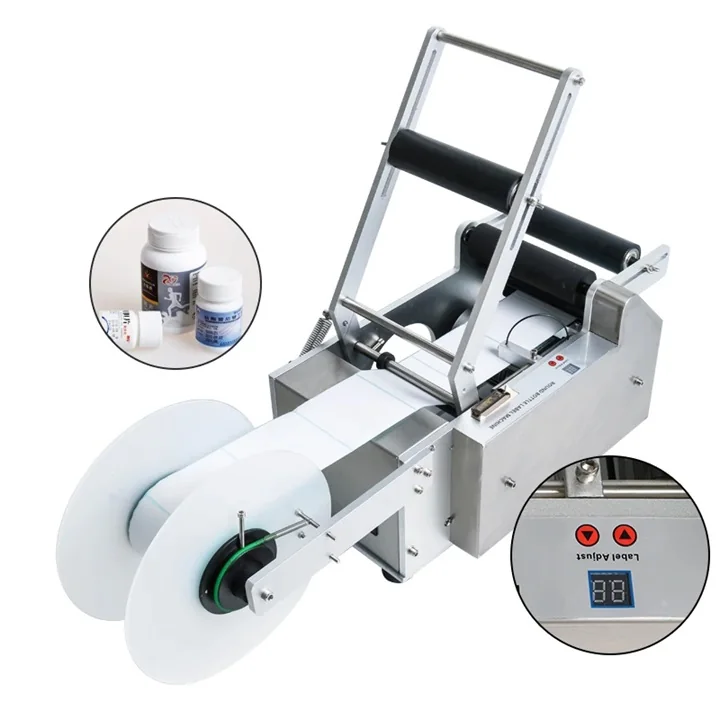
Small batches and trials
Machine route for bottle labelling projects where samples, label rolls and output targets confirm the final configuration.
View machineBuyer questions
Photos can help with an initial discussion, but samples and label details are better for a reliable specification.
Clear bottle dimensions, label dimensions, roll details, speed target and application photos speed up the recommendation.
Yes. Future bottle sizes and labels can affect whether a machine needs change parts or extra flexibility.
Related searches
Send samples
Share bottle dimensions, label artwork or label roll details, output target and photos of the container. Lancing will recommend the right labelling route.
A marked bottle can resolve a labelling requirement that dimensions alone leave ambiguous. Draw the intended top and bottom label edges on a representative container and mark the front reference point. For a wrap label, identify where the seam or gap may sit. For separate front and back labels, show both positions on the same bottle so their relationship is clear.
Photograph that sample from the front, back and side, with a scale in view. Explain which details are essential: a level label edge, alignment to a moulded panel, clearance from a shoulder, or a seam hidden from the display face. Give each requirement an agreed measurement reference. Avoid asking for perfect alignment without saying what the label must align with.
Send the marked sample together with an unmarked production bottle and the actual label roll. Decorative varnish, clear materials and unusual shapes can change how the label dispenses and conforms. Keep the marked reference separate from trial stock so its markings do not affect adhesion. This evidence lets a supplier discuss product orientation, label-head arrangement and sample acceptance before the quotation is finalised.
Mark the permitted seam zone on a bottle and identify the bottle feature it references. State whether rotational orientation is essential or only a preference.
The marked sample communicates the intended position; unmarked production bottles allow handling and adhesion to be assessed without contamination from the markings.
Compare wraparound and front/back labelling Review oval-bottle handling