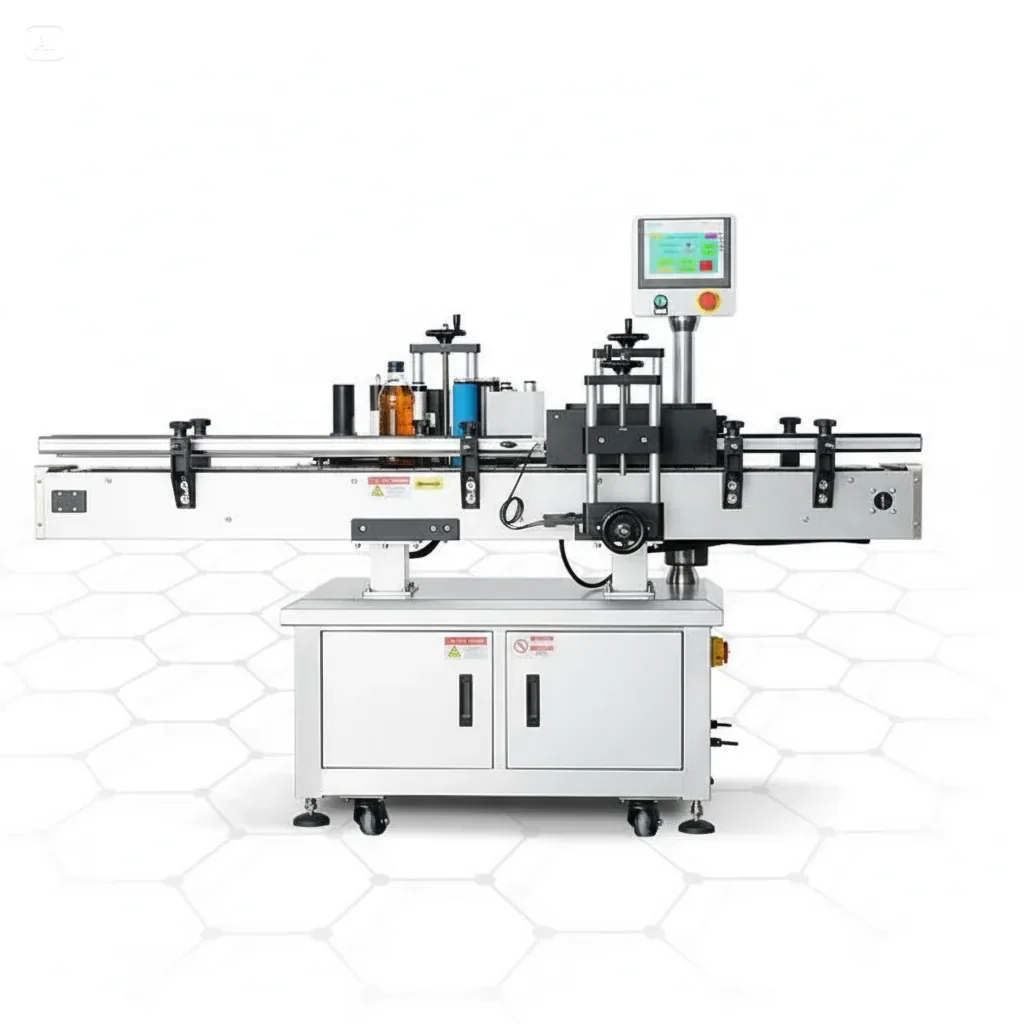
Wraparound bottle labelling
Automatic Wraparound Labeller
Automatic wrap-around labelling for cylindrical containers requiring consistent presentation and higher output.
View machine
Bottle labelling machines UK
Lancing supplies wraparound, front/back, top/bottom, compact and semi-automatic labelling systems for bottles, jars, cans, cartons and retail-ready packs.
Need a bottle labelling machine specified quickly? Send bottle dimensions, label size and output target.
Request specification adviceCall 01494 623015Machine range
Choose a semi-automatic bench unit, compact automatic labeller, inline wraparound machine, twin-side front/back system or top/bottom label applicator.
Wraparound bottle labelling
Automatic wrap-around labelling for cylindrical containers requiring consistent presentation and higher output.
View machine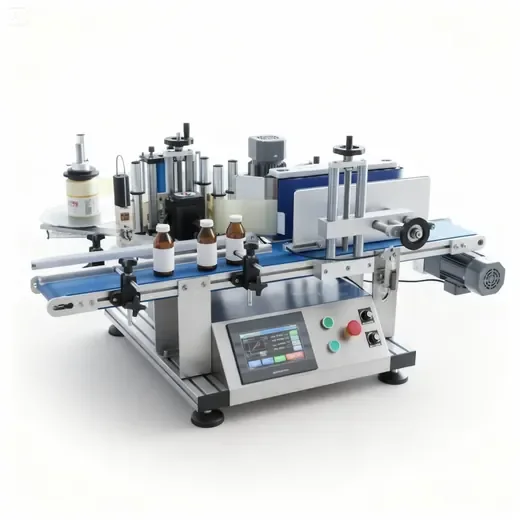
Compact automatic bottle labelling
A space-saving automatic route for producers moving from bench labelling to repeatable inline operation.
View machine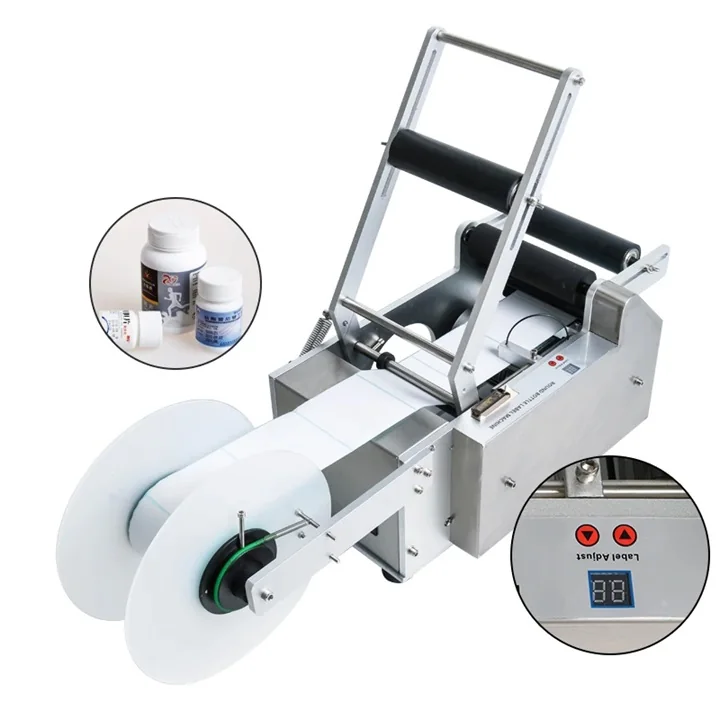
Bench-top bottle labelling
Practical entry-level wrap labelling for round bottles and jars with foot-switch operation.
View machine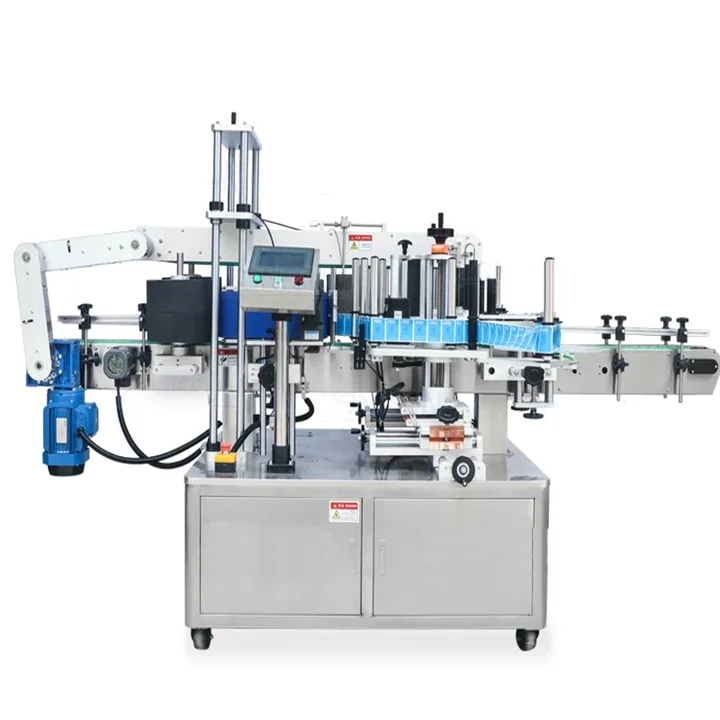
Front and back labelling
Automatic front and back labelling for flat, oval, square and selected round containers requiring two labels in one pass.
View machine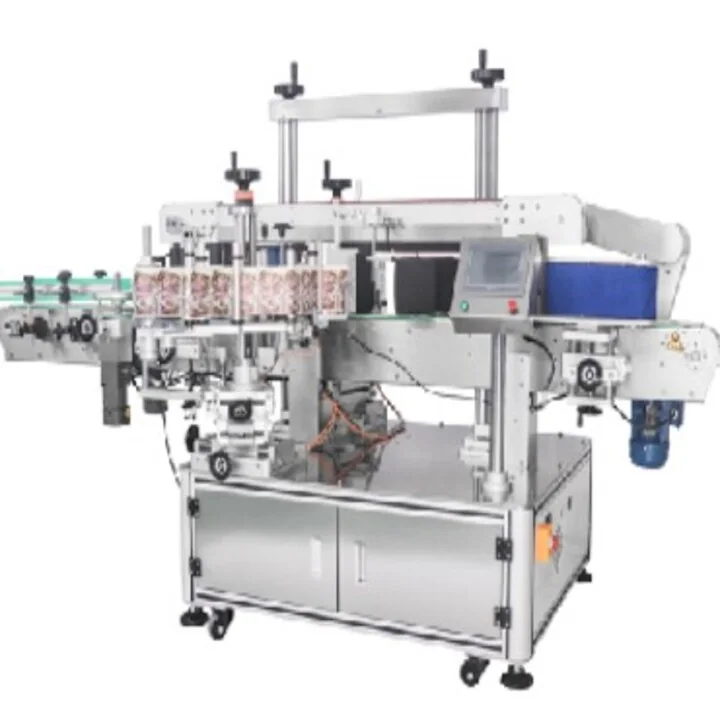
Compact front/back labelling
Compact twin-side label application for lower-volume production, trials and factories with limited floorspace.
View machine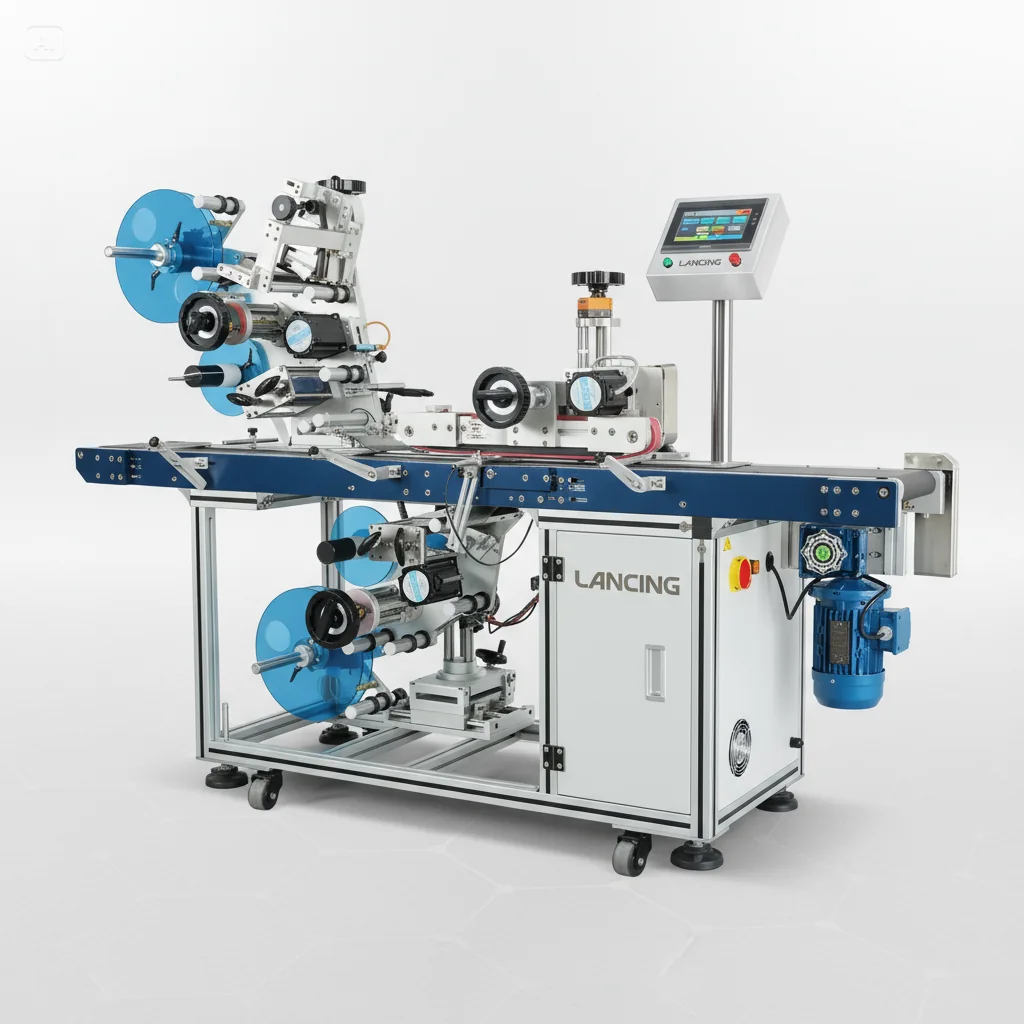
Top and bottom labelling
Automatic top/bottom labelling for flat products, boxes, trays and retail-ready packs requiring labels on both faces.
View machineSpecification support
Lancing reviews container shape, bottle diameter, stability, label material, roll details, speed target, coding needs and the surrounding filling, capping or conveyor equipment before recommending a machine.
Applications
Bottle labelling projects are normally narrowed down by container shape, label position and required throughput.
Wraparound labelling for bottles, jars and cans requiring a clean cylindrical label finish.
Front and rear labels for cosmetics, chemicals, food products and healthcare packs.
Transparent label sensing, roll review and machine setup for no-label-look packaging.
Labellers configured with filling, capping, coding, conveyors and inspection systems.
Industries
Lancing supports manufacturers, contract packers and operations teams across food, drink, cosmetics, healthcare, chemical and technical product sectors.
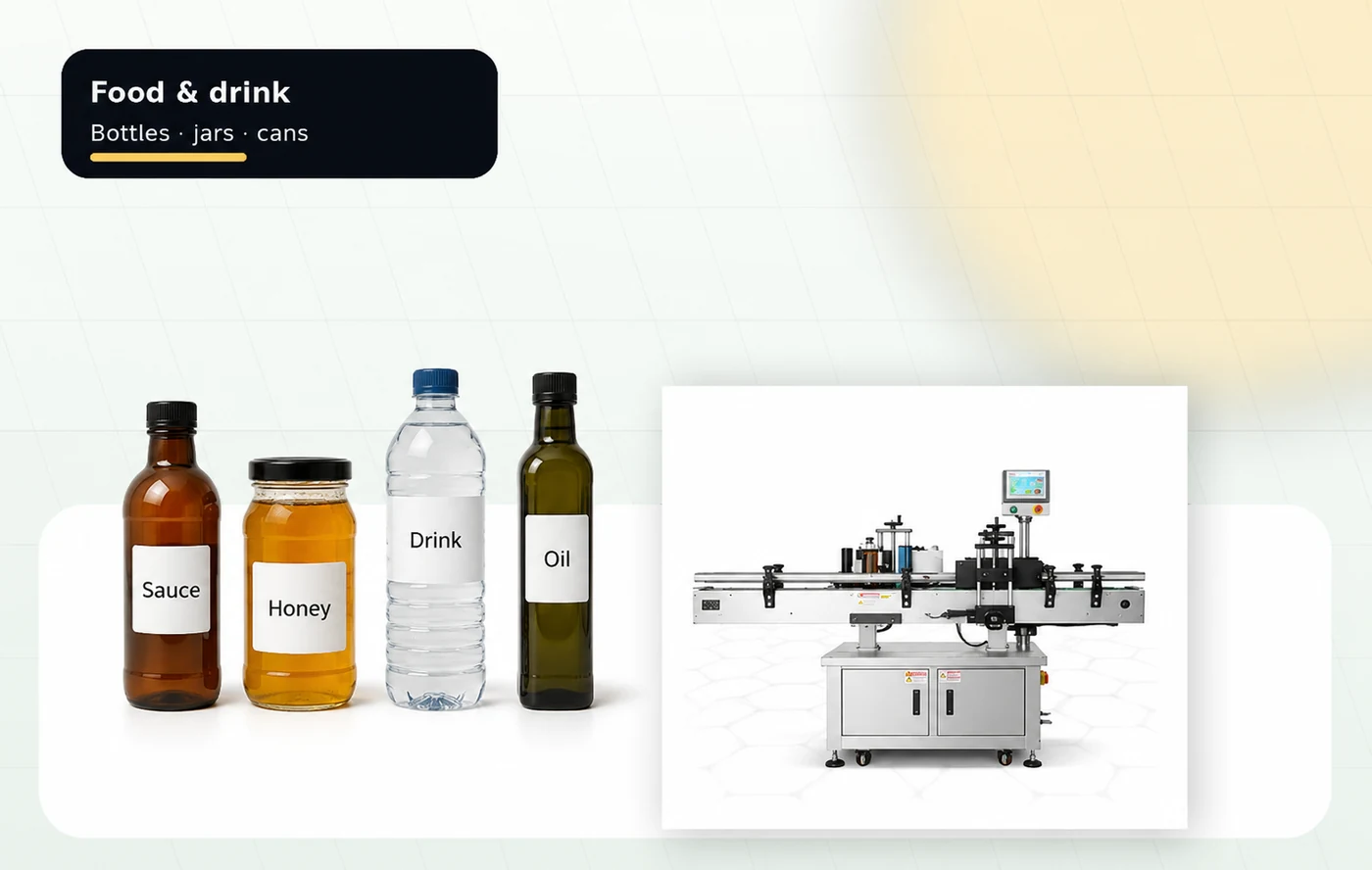
Sauces, jars, drinks, honey, oils, cans and cylindrical retail packs.
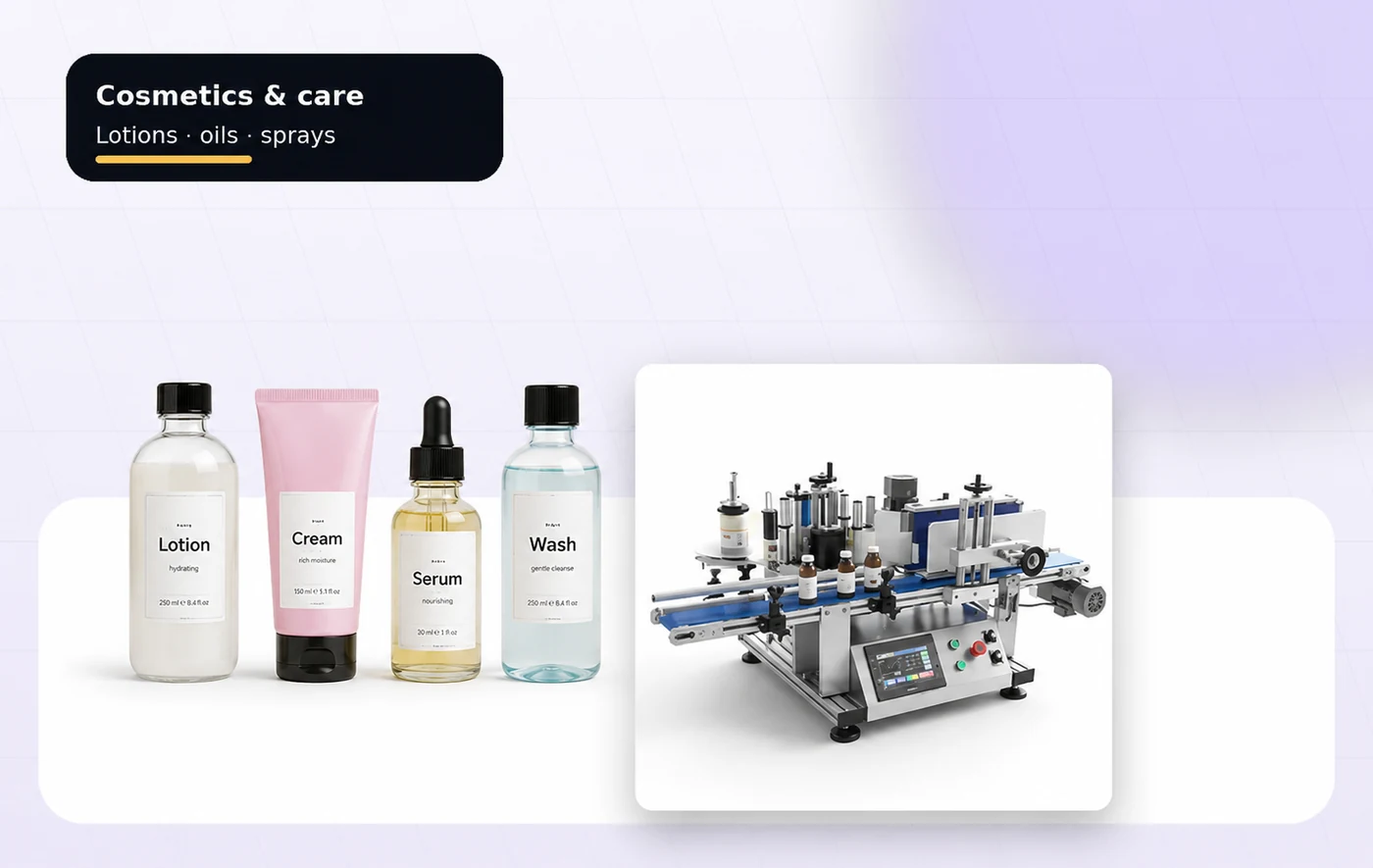
Shampoo, lotion, skincare, household and personal-care bottles.
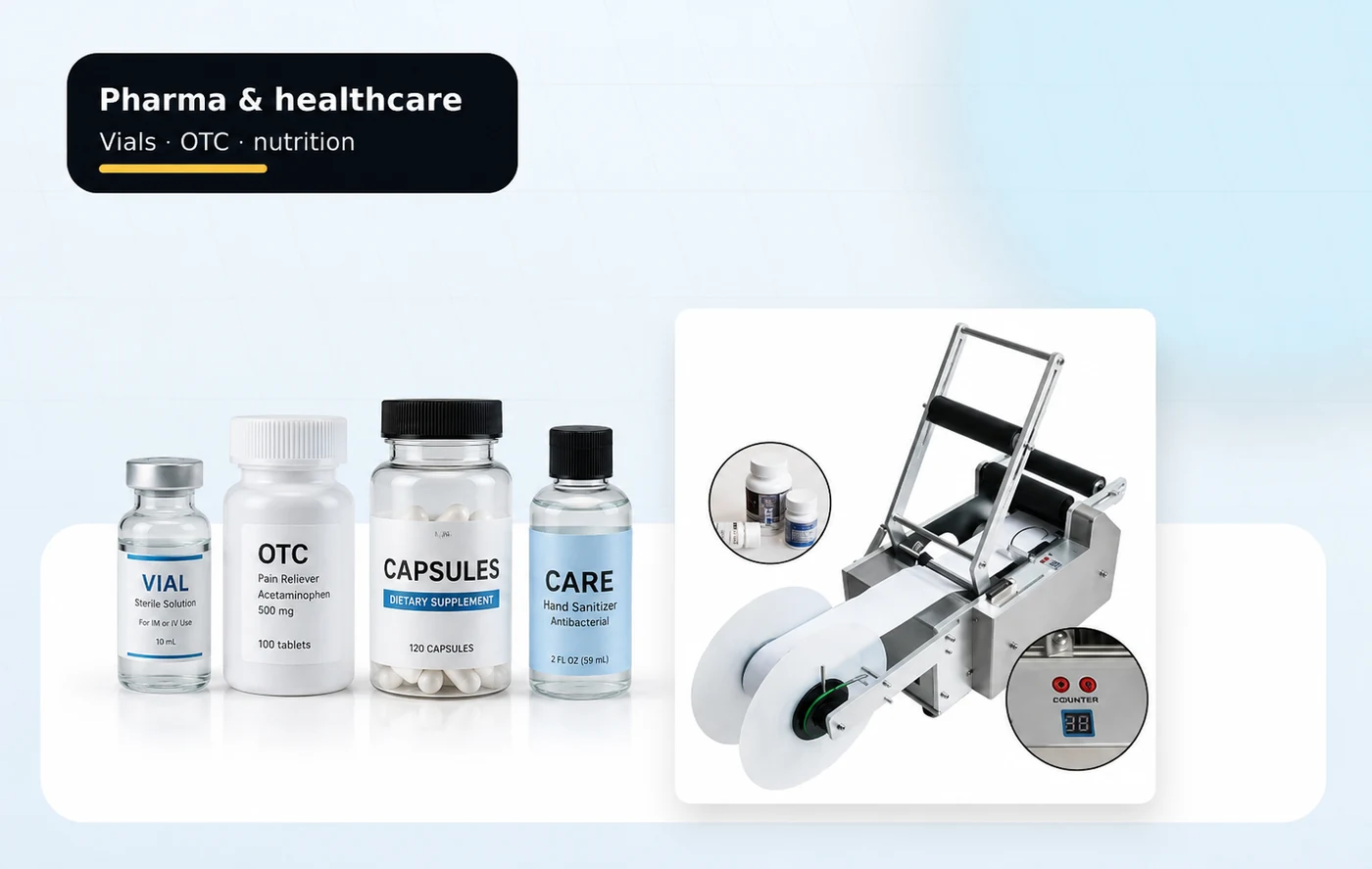
Vials, nutraceutical bottles, OTC packs and healthcare containers.
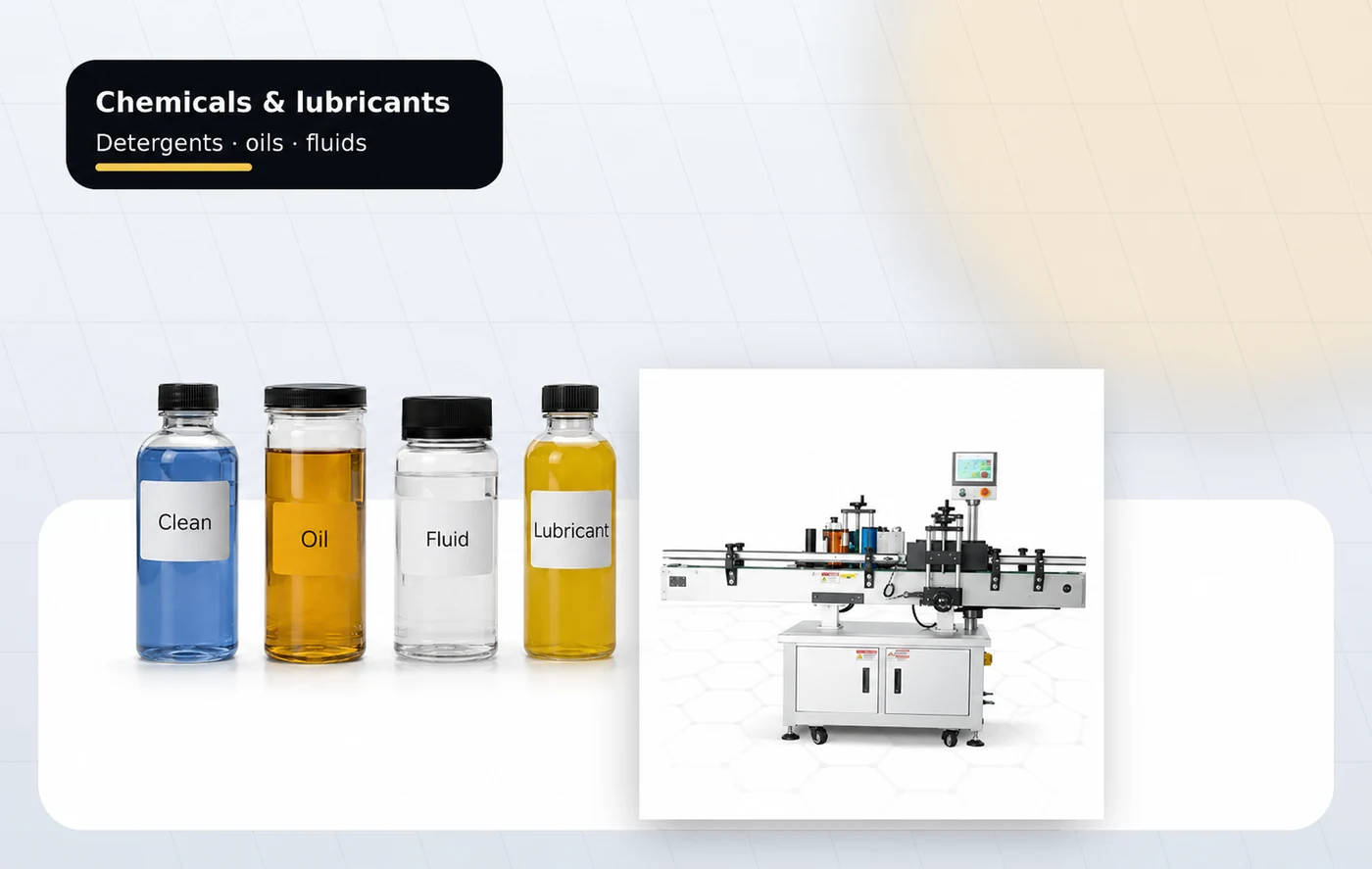
Lubricants, cleaners, disinfectants and technical product bottles.
Fast specification
For a faster recommendation, include bottle diameter/width, height, label size, backing paper, label material, speed target and whether coding or inspection is required.
Buyer questions
Round bottles usually need wraparound labelling, while flat, oval and square bottles normally need front and back labelling. Top and bottom labelling is used for cartons, trays, sleeves and flat packs.
Yes. Lancing supplies automatic wraparound, automatic front and back, compact and top and bottom labelling systems for UK production lines.
Clear labels can usually be applied when the labeller is fitted with suitable transparent-label sensing and is tested against real label rolls and samples.
Send container dimensions, photos, label size, label material, label roll direction, target output and details of any filling, capping, coding or conveyor equipment.
Speak to Lancing
Include container dimensions, label size, label material, target output and the required label position. Lancing will recommend a suitable semi-automatic, compact or fully automatic configuration.
Bottle labelling projects convert faster when the machine choice is matched to the container, the label roll and the way the pack is presented on the line. These checks add the missing technical detail behind the main machine range without changing the existing page content.
A bottle label applicator is selected from the behaviour of the pack as much as from the label size. Round bottles normally need controlled rotation and wrap pressure. Flat, oval and square containers usually need side guiding and front/back registration. Clear labels need a sensing method proven against the actual label and liner.
| Decision point | Why it affects the machine | Best next page |
|---|---|---|
| Round bottle or cylindrical jar | Requires rotation control, wrap belt or roller pressure and a label start position that repeats. | Wraparound labelling machines |
| Flat, oval or square bottle | Needs two-sided presentation, product control through the heads and front/back registration checks. | Front and back labelling machines |
| Clear or transparent label | Needs sample testing against the actual label roll because ordinary gap sensing may not be enough. | Clear-label sensing guide |
| Printed roll not yet ordered | Unwind direction and artwork orientation should be checked before committing to print. | Label roll direction guide |
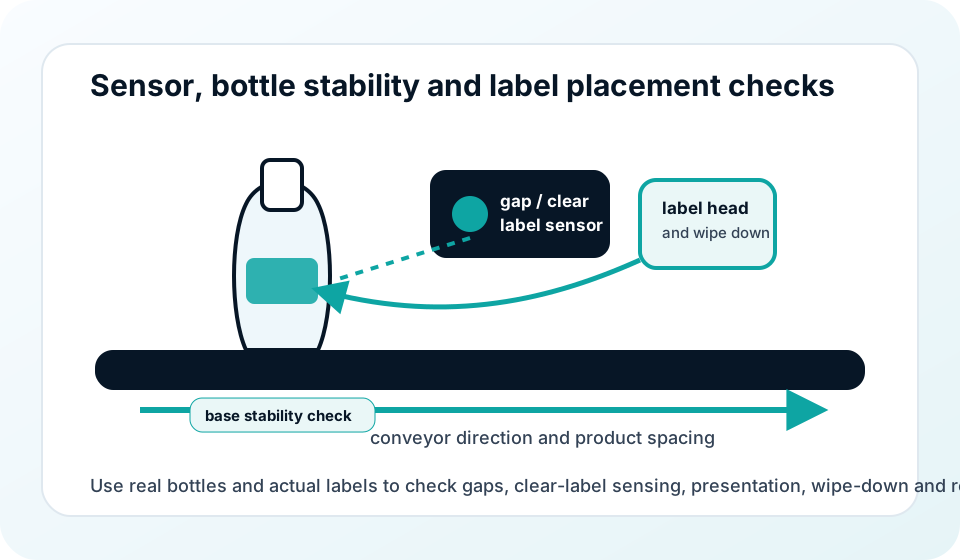
| New container or high-value presentation | Send samples so placement, wipe-down, bottle stability and changeover can be reviewed before order. | Sample testing checklist |
Include bottle photos, dimensions, label artwork or roll details, speed target, coding needs and any existing filling or capping equipment around the labeller.
Buyer questions
These answers focus on the decisions that determine whether a machine will work with the real bottle, label roll and production line. Browse the bottle labelling questions hub for deeper technical answers.
A bottle labeller must present the container consistently, detect its arrival, dispense one label from the liner and press that label onto the intended surface before the pack leaves the controlled zone. The exact sequence changes with wraparound, front-and-back and top-and-bottom systems. See how a bottle labelling machine works for the full process.
Identical artwork does not guarantee identical application because glass, PET, HDPE and coated surfaces can differ in rigidity, surface finish, static, temperature and contamination. Label stock, adhesive and wipe-down pressure must be assessed against the actual pack, particularly when bottles are flexible, cold, wet or freshly moulded.
Define the visual reference, measurement datum, permitted label position, front-to-back relationship and the conditions under which packs will be checked. A useful acceptance standard separates measurable placement from cosmetic defects such as wrinkles, bubbles or lifting. The guide to specifying label placement tolerance explains the evidence to agree.
Bring the parties together before production labels are committed when the pack is tapered, highly flexible, transparent, unusually shaped or presentation-critical. Early review can resolve label area, artwork orientation, unwind direction, liner, gap, adhesive and roll construction while changes are still practical. Use the roll-specification handover guide.
Send representative packs, label-roll information, target output and any line-integration constraints so Lancing can review the complete application.
Machine format is only one part of the decision. The label method, the condition of the bottle at application and the documentation required for the installed line should be agreed at the same time.
Compare self-adhesive labels with shrink sleeves and wet-glue systems before committing artwork, consumables or line utilities.
Compare bottle labelling methodsCold, wet, flexible or contaminated bottles can change adhesion and handling. Prove the real application condition rather than a convenient dry sample.
Review cold and condensing bottlesConnect machine scope, documentation, FAT, site interfaces, training and ongoing records before the line is accepted.
Open the compliance and documentation guideInclude the label concept, actual bottle condition, line layout, samples and the evidence your site expects at handover.
Early calculations do not replace sample testing, but they help a buyer define the label zone, compare machine formats and explain the required output before a quotation.
Use diameter or a measured circumference to estimate wrap length, then record the straight-wall height and required clearances.
Open the bottle label size calculatorSeparate the average shift requirement from the rate needed while the machine is actually running, allowing for changeovers and normal interruptions.
Plan bottle labelling throughputDefine code position, barcode orientation, inspection objective and reject response as part of the labeller brief rather than as an afterthought.
Review coding and barcode integrationInclude representative filled bottles, production labels or artwork, batch pattern, target output and the proposed position in the line.
Confirm the label construction as well as the bottle shape. The face, adhesive, liner and any extra layers affect release, sensing and finished appearance. Separately, check how many usable labels each reel provides for the batch. Two machines that accept the same label dimensions may still need different trials and replenishment plans.
Compare paper and film against squeezing, moisture, printing and machine application.
Compare paper, PP and PE bottle labelsAssess booklet release, opening tabs and pressure paths before specifying an application route.
Review booklet and multi-layer label requirementsTurn batch quantities and usable reel counts into a reel-change plan.
Calculate label-roll consumptionFor project scope, see buying advice, machine specification and support services and about Lancing. Send the actual pack and reel information through the existing quotation form.
Provide bottles, label artwork and the variable information to print. Identify where the code must appear, how each label is presented to the coder and how the finished result will be checked. Include label roll direction, bottle orientation and changeover between artwork versions in the combined trial.
Related guidance:
The most useful starting point for a bottle labelling project is an example of the finished pack beside an unlabelled container and the production label roll. Mark the intended label edges, the reading direction and any feature that the artwork must face. This links the appearance you need to the handling and dispensing questions a machinery proposal must answer.
Group your range by the way the label is applied. A round wrap label, two separate panels on an oval bottle and a label on a flat carton should have individual sample references. Identify the products that share material and dimensions, but ask for the limits of any shared setup to be documented rather than assuming similar-looking packs are interchangeable.
Keep print quality, label dispensing and final adhesion as separate acceptance topics. If the code is applied during production, include the variable information and the way artwork versions are selected. If appearance changes after storage, include that observation in the pack brief so the label supplier and machinery supplier can review their respective responsibilities.
Artwork helps define the intended result, but it does not show container handling or roll dispensing. Request a sample trial with the production bottle and label roll before treating a machine selection as confirmed.
Popular searches
A useful enquiry defines the difficult format, the complete label roll, the line interfaces and the evidence needed at FAT and commissioning. This reduces late changes and makes the machine comparison commercially meaningful.
| Stage | Buyer evidence | Technical resource |
|---|---|---|
| Specify | Container family, label positions, output target, batches and line layout. | Machine selection guide |
| Confirm the roll | Label size, pitch, web, core, outside diameter, winding, liner and sensing feature. | Label-roll worksheet |
| Prove the application | Representative bottles and labels, approved placement sample and changeover range. | FAT checklist |
| Prepare the site | Access, layout, verified utilities, conveyor interfaces and responsible contacts. | Site preparation guide |
| Handover | Commissioning record, operator training, format settings and open actions. | Training and handover |
Include the difficult container and label, not only the easiest format, so Lancing can shortlist the appropriate bottle labelling route.