How to choose a bottle labelling machine
Match container shape, label arrangement, automation level and line interfaces.
Open buyer guide
UK machinery project evidence
A machine project should connect the intended use, supplier documentation, guarding and controls, factory testing, site integration, training and ongoing records. Final responsibilities depend on the actual machine and installed line.
Need a bottle labelling machine specified quickly? Send bottle dimensions, label size and output target.
Request specification adviceCall 01494 623015The exact document set depends on whether the equipment is a standalone machine or part of a wider line, how it is placed on the market, what changes are made during integration and the site-specific risk assessment.
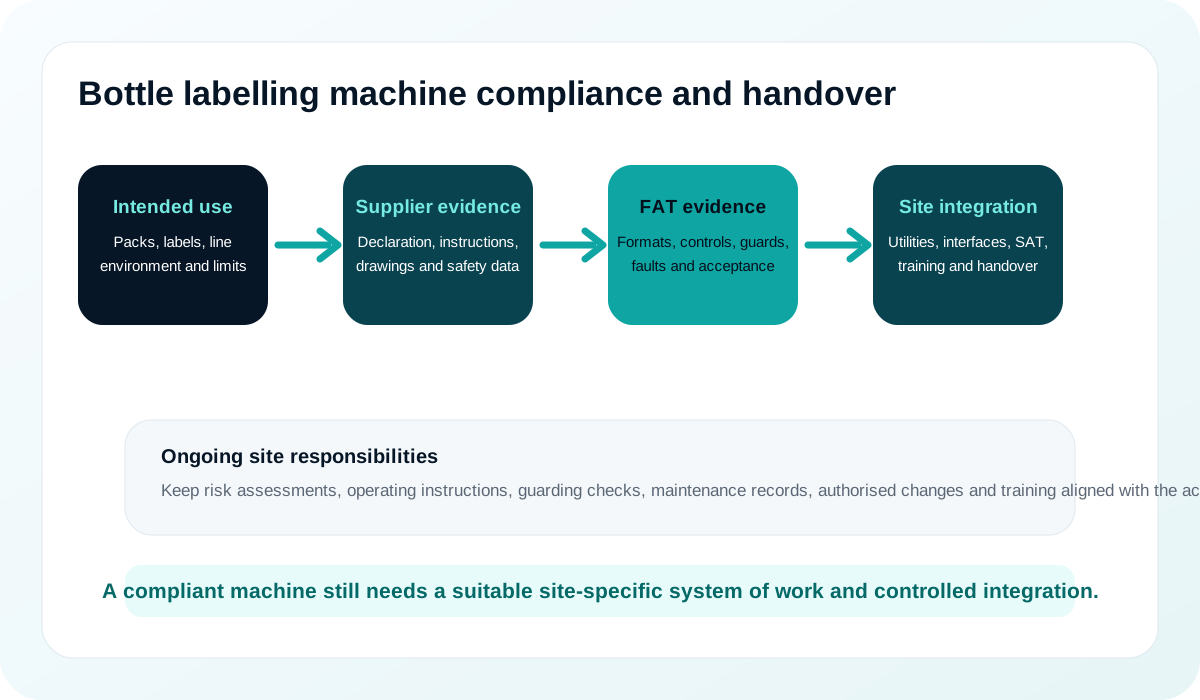
A mark or declaration does not replace a clear application specification, suitable guarding, safe integration, operator training or the employer's duties for work equipment at the installed site.
| Evidence or document | What it should establish | Project stage |
|---|---|---|
| Intended-use and application specification | The containers, labels, formats, line conditions, operating modes, limits and reasonably foreseeable use that the machine is designed around. | Before quotation and design approval. |
| Applicable declaration and conformity marking | The legal route used when the equipment is placed on the relevant market. The current requirement must be checked against official guidance and the actual supply arrangement. | Before supply or placing on the market. |
| Instructions and technical information | Safe operation, setup, changeover, cleaning, fault response, maintenance, residual risks and any required training or competence. | Before commissioning and handover. |
| Guarding and safety-function evidence | How access to dangerous movement is prevented or controlled, including interlocks, emergency stops, reset behaviour and stored-energy considerations. | Design review, FAT and site verification. |
| Factory acceptance test record | What was tested, which samples and formats were used, results, open actions and the agreed acceptance method. | Before dispatch. |
| Site integration and commissioning record | Utilities, conveyor interfaces, upstream/downstream stop logic, guarding boundaries, site changes, training and acceptance at the installed condition. | Installation and SAT/commissioning. |
| Ongoing site records | Risk assessment, inspections, maintenance, training, authorised changes, current instructions and actions from faults or incidents. | During operation and after modifications. |
The applicable marking and declaration depend on the current legislation, the market where the machine is supplied, the conformity route and whether integration or modification changes responsibility for the finished assembly. Current Great Britain guidance recognises CE and UKCA routes for machinery in scope, but buyers should verify the live official position and the documentation supplied for the specific project rather than relying on a generic website statement.
Useful primary references include the UK Government's Supply of Machinery (Safety) Regulations guidance and the Health and Safety Executive's work equipment and machinery guidance.
A labeller that is safe as supplied can become part of a different risk picture when connected to new conveyors, product handling, printers, inspection, reject equipment or upstream and downstream machinery. Stop categories, accumulation, restart behaviour, access points, guard boundaries and emergency-stop coverage should be reviewed for the installed line. Significant modification can also affect the technical and legal responsibilities for the resulting assembly, so changes should be documented and assessed rather than treated as routine settings.
Use the same format list, approved samples, label rolls, placement criteria, fault tests and open-action log from the FAT checklist during commissioning and site acceptance. The operator handover guide helps turn the accepted configuration into repeatable production.
Send the line layout, existing equipment, operating modes, site standards and acceptance responsibilities so the project documentation can be agreed before delivery.
General guidance only: machinery suitability, conformity and workplace safety must be assessed for the actual equipment, installation, intended use and current law by competent parties.
Use the related guides to define the pack, label roll, trial and machine route before requesting a final configuration.
Match container shape, label arrangement, automation level and line interfaces.
Open buyer guideRecord size, pitch, web, core, winding, liner and sensing information.
Open worksheetPlan representative bottles, labels, formats and acceptance evidence.
Open checklist