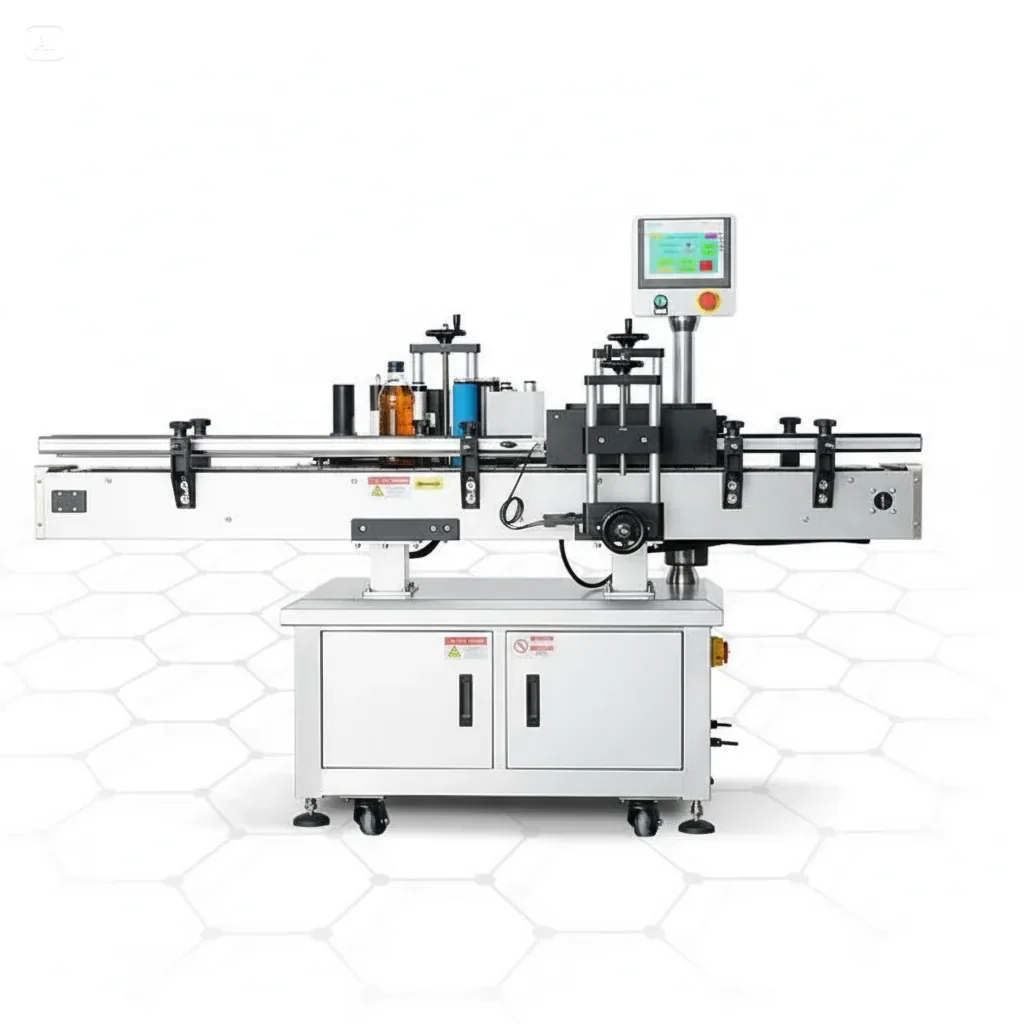
Round bottles, jars and cans
Automatic Wraparound Labeller
Machine route for bottle labelling projects where samples, label rolls and output targets confirm the final configuration.
View machine
Beverage bottles
Beverage bottles vary from round glass to PET and shaped containers, so the machine route depends on material, shape and throughput.
Beverage bottles vary from round glass to PET and shaped containers, so the machine route depends on material, shape and throughput.
The correct route is normally decided by bottle shape, label position, label roll details, target output and the way the machine will connect with filling, capping, coding or conveyor equipment.
For a more accurate recommendation, send photos or samples of the container together with label dimensions, roll direction, material, backing paper and the number of labels needed per product.
Machine options
Lancing can advise whether a bench-top, compact automatic or inline labelling route is the best fit for your bottles and labels.
Round bottles, jars and cans
Machine route for bottle labelling projects where samples, label rolls and output targets confirm the final configuration.
View machine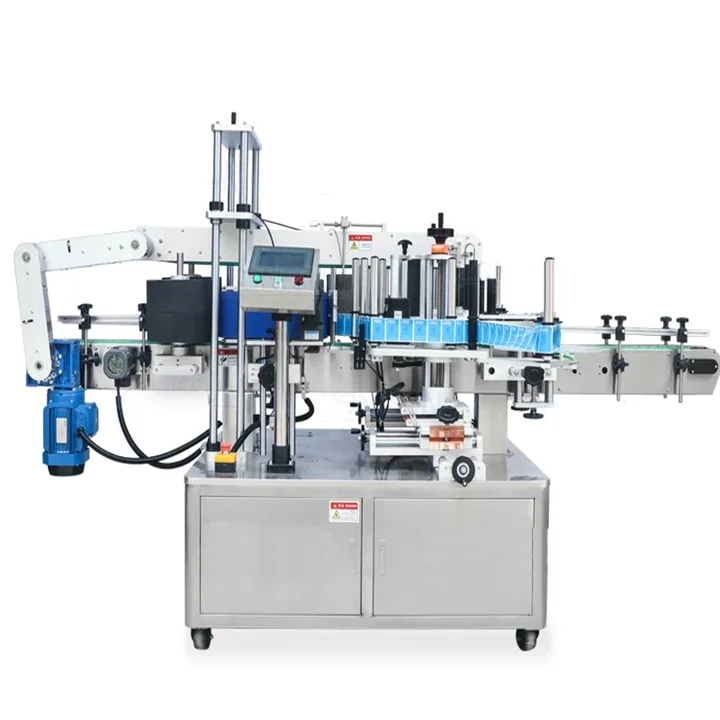
Flat, oval and square bottles
Machine route for bottle labelling projects where samples, label rolls and output targets confirm the final configuration.
View machine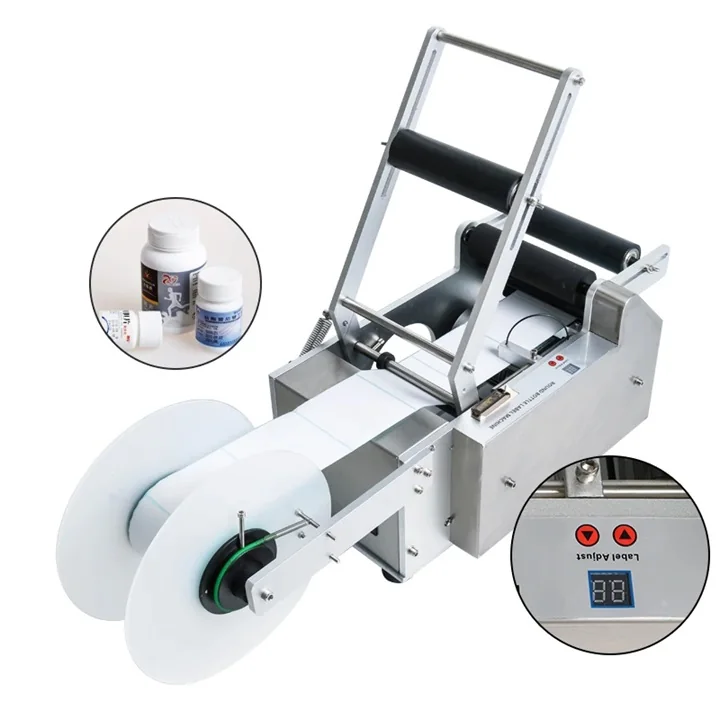
Small batches and trials
Machine route for bottle labelling projects where samples, label rolls and output targets confirm the final configuration.
View machineBuyer questions
The machine route depends on container shape, label position, speed and whether the product is hand-loaded or part of a line.
Representative containers and labels help confirm handling, sensing and label placement.
Yes. Lancing can review samples, photos and target output to advise on a suitable route.
Related searches
Send samples
Share bottle dimensions, label artwork or label roll details, output target and photos of the container. Lancing will recommend the right labelling route.
Beverage bottles may be dry and rigid before filling, wet after rinsing, warm after a process or cold enough to condense when they enter the packing room. The best labeller position is therefore a process decision as well as a floor-space decision.
| Possible point | Question to answer | Evidence |
|---|---|---|
| Before filling or chilling | Will later filling, washing, cooling, handling or storage damage the label or move the bottle surface? | Finished-pack storage and handling trial. |
| After filling | Is the bottle rigid and dry enough, and can product splash or closure operations contaminate the label area? | Normal and worst-case filled bottles. |
| After chilling or cold storage | Can the surface be held at a repeatable moisture condition, or is controlled drying or a validated adhesive route required? | Production temperature, room condition and timed sample checks. |
The cold and condensing bottle guide explains how to map the bottle journey and approve the real application condition.
Include filling temperature, rinsing, chilling, accumulation, surface condition and the proposed labeller position.