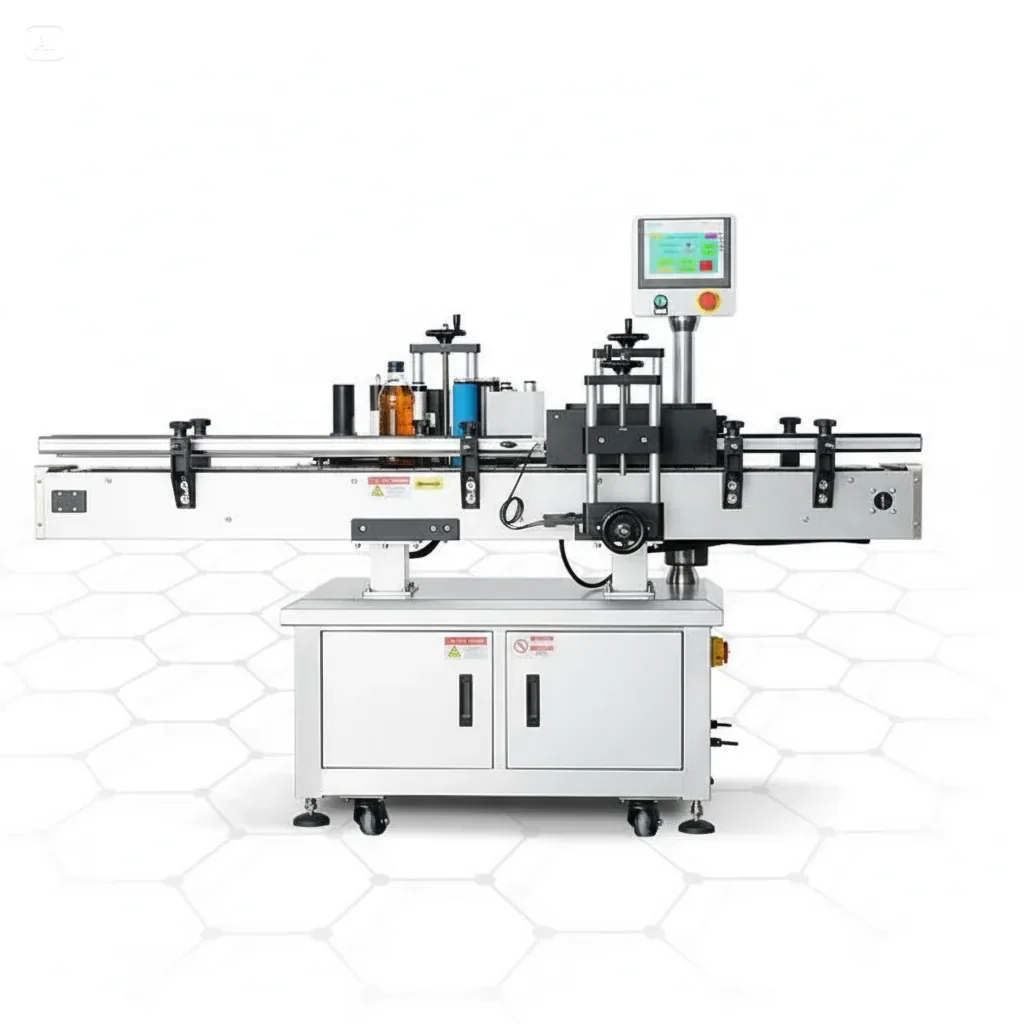
Round bottles, jars and cans
Automatic Wraparound Labeller
Machine route for bottle labelling projects where samples, label rolls and output targets confirm the final configuration.
View machine
Tamper evident labels
Tamper-evident labels, neck labels and closure labels need accurate product control because the label often crosses a cap, shoulder or seam.
Tamper-evident labels, neck labels and closure labels need accurate product control because the label often crosses a cap, shoulder or seam.
The correct route is normally decided by bottle shape, label position, label roll details, target output and the way the machine will connect with filling, capping, coding or conveyor equipment.
For a more accurate recommendation, send photos or samples of the container together with label dimensions, roll direction, material, backing paper and the number of labels needed per product.
Machine options
Lancing can advise whether a bench-top, compact automatic or inline labelling route is the best fit for your bottles and labels.
Round bottles, jars and cans
Machine route for bottle labelling projects where samples, label rolls and output targets confirm the final configuration.
View machine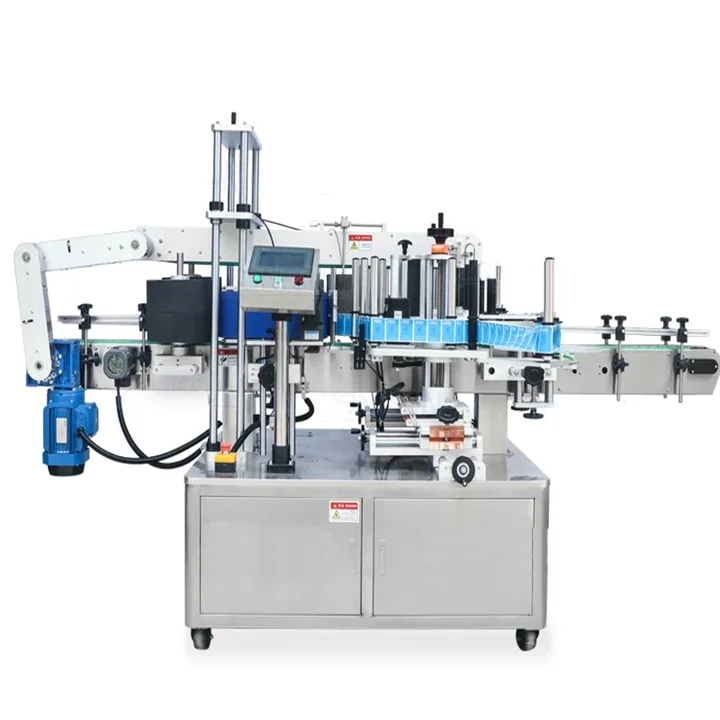
Flat, oval and square bottles
Machine route for bottle labelling projects where samples, label rolls and output targets confirm the final configuration.
View machine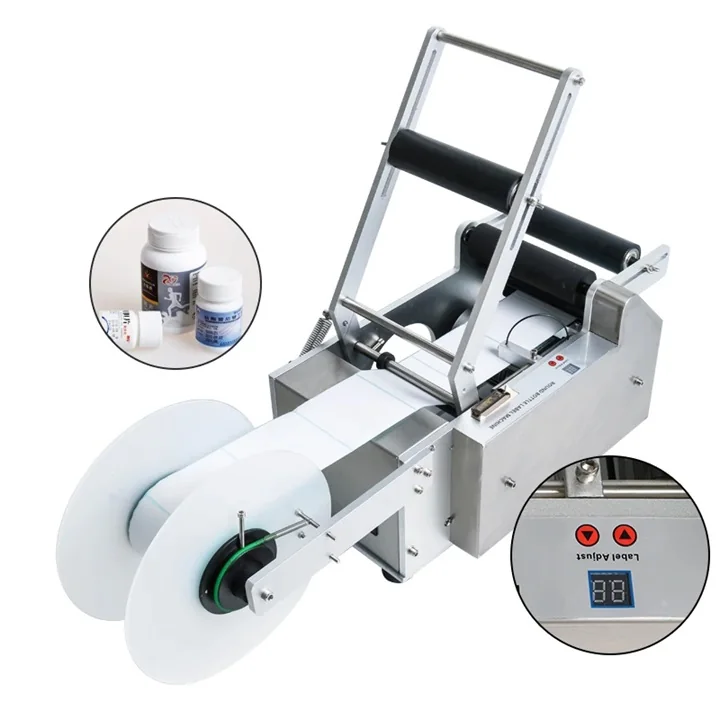
Small batches and trials
Machine route for bottle labelling projects where samples, label rolls and output targets confirm the final configuration.
View machineBuyer questions
Often yes. Coding, sensing, inspection and orientation can change the labeller layout.
Sometimes, but it is usually better to specify it early so space, controls and integration are allowed for.
Send samples, label details, desired output and any integration requirements.
Related searches
Send samples
Share bottle dimensions, label artwork or label roll details, output target and photos of the container. Lancing will recommend the right labelling route.
No. A peel-and-reseal information layer is designed for access and reclosing; a tamper-evident feature is intended to provide specified evidence of opening or interference. A construction may combine functions, but one must not be assumed from the other. Define the required behaviour and test it on the finished pack.
Mark which part should remain attached, which should open and what visible result counts as acceptance. Keep the information-tab path separate from any closure-bridging label path. Booklet-label application checks explain the information-layer distinction, while the acceptance checklist helps record the required result. Send the closure and label together for application assessment.